
Weight Management
Fructose Consumption May Affect High Blood Pressure
Where the fructose comes from appears to matter as much as how much of it you eat
Fructose eaten as whole fruit and vegetables does not appear to raise blood pressure, while added fructose from high-fructose corn syrup and ultra-processed foods is associated with it — so the source may matter more than the amount. Normal blood pressure is below 120/80 mm Hg, and any reading above 180/120 needs urgent medical attention.
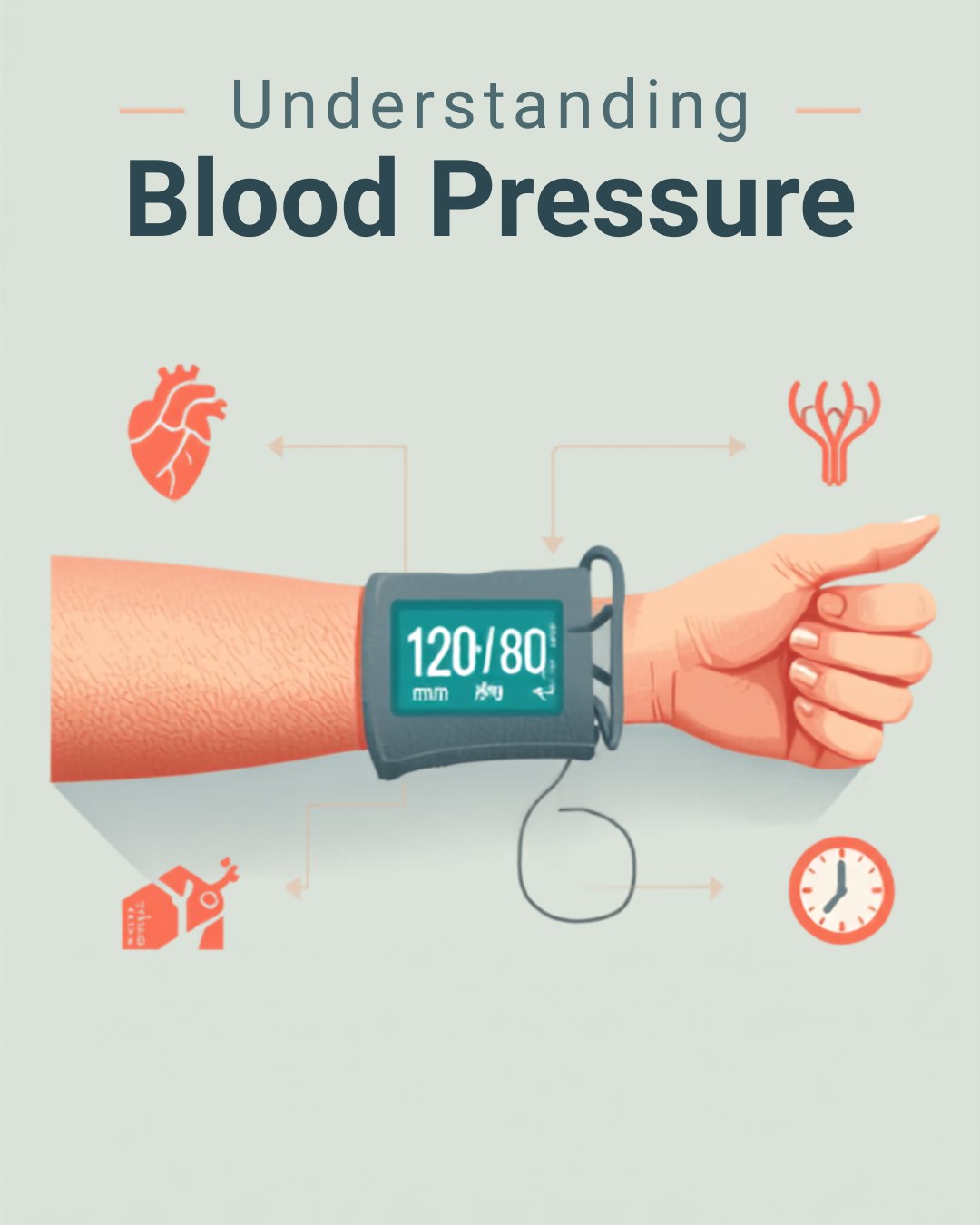
High blood pressure (hypertension)
High blood pressure is a major contributor to cardiovascular and renal disease. The American Heart Association and the National Institutes of Health estimate that more than 41% of Americans will be affected by hypertension, and it is being diagnosed at younger ages than it used to be. Many factors drive that rise, but nutrition is one of the few a person can act on directly. The NIH's DASH eating plan — Dietary Approaches to Stop Hypertension — was built around exactly that idea, raising fresh fruit and vegetable intake to help prevent and treat high blood pressure.
| Category | Systolic (mm Hg) | Diastolic (mm Hg) | |
|---|---|---|---|
| Normal | Less than 120 | and | Less than 80 |
| Elevated | 120–129 | and | Less than 80 |
| Stage 1 hypertension | 130–139 | or | 80–89 |
| Stage 2 hypertension | 140 or higher | or | 90 or higher |
| Severe hypertension — call your provider | Higher than 180 | and/or | Higher than 120 |
| Hypertensive emergency — call 911 | Higher than 180 | and/or | Higher than 120 |
A reading above 180/120 is not something to watch and see
- No symptoms: contact your health care professional straight away.
- With any of these symptoms, call 911 — chest pain, shortness of breath, back pain, numbness or weakness, change in vision, or difficulty speaking.
- Do not wait for a repeat reading at your next appointment.
The source of the fructose may decide the outcome
Corn is a staple of American agriculture and an excellent source of energy. In the early 1970s, American farmers were incentivised to produce corn in enormous volume as a commodity. New agricultural practices and fertilising agents pushed yields higher, and that surplus drove new technologies for using corn, soy and other grains.
Corn is not the only source of fructose in the American diet, but it contributes a great deal of it — as high-fructose corn syrup, corn syrups and solids, modified food starch, maltodextrins, starches, food modifiers and emulsifiers. These ingredients are convenient: they help with meal planning, procurement and shelf life, and they make ordinary foods look and taste the way shoppers expect. They are also extremely common. Heavy consumption of the ultra-processed foods that contain them is thought to be behind a good deal of the chronic disease treated today, high blood pressure among it.
Where highly processed corn syrup and solids commonly turn up
- Sweetened drinks — sodas, colas, teas, flavoured coffees, instant hot chocolate, coffee creamers, mixers, energy drinks, fruit-ade drinks, fruit juices, flavoured milk
- Imitation honey, syrups, agave, molasses, jams, jellies, candy
- Protein shakes, meal-replacement drinks, protein bars, nutritional supplements
- Sweetened boxed cereals, instant hot cereals, granola, crackers and cookies
- Breads, pastries, desserts, icings
- Ice cream, pudding, pie fillings, imitation whipped cream
- Canned soups and instant prepared foods — frozen, dried or canned
- Condiments — ketchup, salad dressings, dried seasonings, barbecue and pasta sauces, other canned sauces
What recent studies suggest
Researchers have examined cardiovascular events, mortality and their relationship to blood pressure. Hypertension was associated with a higher risk of cardiovascular disease and of death from any cause, and those associations were stronger the earlier in life the hypertension began.
Other work has looked at early-onset hypertension alongside fructose-containing foods and drinks. What emerged is that the amount of fructose may matter less than where it comes from. Fructose eaten as whole fruit, vegetables and whole-food produce did not appear to drive increases in blood pressure once activity, smoking and inherited risk were accounted for.
These are observational cohort studies. They show associations across large groups of people over time, which is strong enough to guide sensible eating but not the same as proving that one ingredient causes one outcome in one person.
A practical blueprint
To put this into practice without having to decode complicated ingredient labels:
- Cut sweetened drinks. Brew coffee and tea at home, juice at home, or drink water.
- Skip sweet alcoholic drinks. Beer, wine or one to two ounces of spirits are the better options. In a social setting where you would rather not drink, soda water with lime does the job.
- Use honey, agave, maple syrup and molasses sparingly.
- Choose jams and jellies that are fruit-based rather than fruit-flavoured. “Natural flavour” does not have to list everything in it.
- Make your own protein shake — Greek yogurt, fresh or frozen fruit or vegetables, milk, seeds or nuts.
- Buy unsweetened cereal and add the sugar yourself. It comes to less than the sweetened version.
- Try artisan breads. Find a bakery that does not use preservatives, or buy frozen artisan bread.
- Keep pastries, cakes, cookies, seasoned snacks and crackers to moderation.
- Use oil-and-vinegar dressings, or make your own.
- Marinate lean meats with dry seasoning, and season side dishes the same way instead of using commercial sauces.
- Eat four to six servings of fruit and vegetables a day — fresh, frozen, or canned with no sugar added.
None of this replaces a blood-pressure check. If you have not had one recently, or you are already on treatment, bring these changes to your physician rather than acting on them alone.
Sources
- American Heart Association — Understanding Blood Pressure Readings (blood pressure categories).
- Wang C, et al. Association of Age of Onset of Hypertension With Cardiovascular Diseases and Mortality. J Am Coll Cardiol. 2020;75(23).
- Borgi L, et al. Fruit and Vegetable Consumption and the Incidence of Hypertension in Three Prospective Cohort Studies. Hypertension. 2016.
- Consumption of Fructose-Containing Food and Beverage Sources in Childhood Through to Adulthood and Risk of Hypertension: A Prospective Cohort. Circulation. 2026;154(7).
- Pollan M. The Omnivore's Dilemma. Penguin Books, 2006 — for the history of US corn production. General-interest reporting rather than a clinical source.
Medical disclaimer. This article is general education, not medical advice, and does not create a physician–patient relationship. Blood pressure categories are a guide to conversations with your physician, not a basis for self-diagnosis: a single reading, taken at home or in a pharmacy, does not establish or exclude hypertension. NEVER stop, reduce or change a blood-pressure medication because your diet has changed or your readings have improved — that decision belongs to the prescriber. Dietary advice here is general and may not suit people with kidney disease, diabetes managed on insulin, or those who are pregnant. To speak with our team, call (407) 480-4830.
← All articles